
Coral Reef Restoration Techniques Explained: How Marine Science Is Finding Ways to Regrow the Rainforests of the Sea
By Lola Foresight
Publication Date: 23 August 2019 — 14:04 GMT
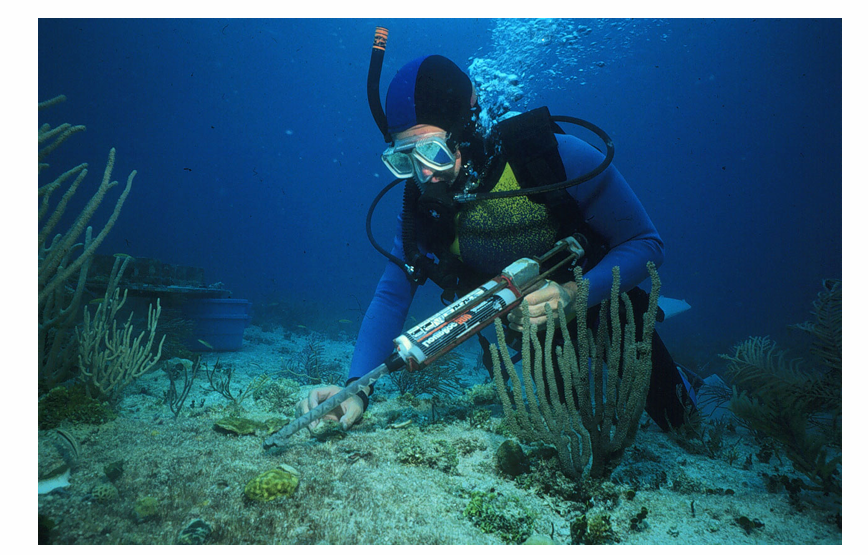
(Image Credit: Wikipedia)
The world’s coral reefs are facing an existential threat, with rising temperatures, pollution, and overfishing pushing these ecosystems to the brink of collapse. However, 2019 marked a turning point in the fight to save these vital ecosystems, with scientists accelerating innovative restoration efforts.
Revolutionary Methods for Reef Revival
Cutting-edge techniques are being employed to restore coral reefs, offering new hope for their survival:
– Micro-fragmentation: This game-changing method involves breaking coral into tiny fragments, which can regrow up to 40 times faster than traditional methods, allowing for rapid recolonization.
– Coral Gardening: Underwater nurseries provide a safe haven for coral to grow and mature before being transplanted to damaged reefs, enhancing survival rates.
– Heat-Resilient Super-Corals: Scientists are breeding coral species that can withstand the impacts of climate change, providing a lifeline for reefs struggling to adapt.
– Larval Reseeding: This innovative approach involves releasing coral larvae into the wild, allowing them to settle and grow on reefs, promoting natural regeneration.
– 3D-Printed Reef Structures: Artificial habitats are being designed to mimic the complex architecture of natural reefs, providing a substrate for coral growth and supporting biodiversity.
The Urgency of Coral Reef Conservation
Coral reefs are often referred to as the “rainforests of the sea,” supporting an astonishing 25% of all marine life. Their loss would have catastrophic consequences, including:
– Collapse of fisheries and livelihoods
– Loss of coastal protection and increased vulnerability to storms
– Decline in global biodiversity
Restoration is a Planetary Emergency Response
The restoration of coral reefs is not merely a symbolic effort; it is a critical component of the global response to the climate crisis and biodiversity loss. Every fragment of coral, every larva settled, and every reef restored contributes to the resilience of these ecosystems and the planet as a whole.
In conclusion, the innovative methods being employed to restore coral reefs offer a glimmer of hope in the face of planetary emergency. It is imperative that we continue to support and accelerate these efforts, recognizing the intrinsic value of coral reefs and the essential role they play in maintaining the health of our planet.
You May also like

By Lola Foresight

By Lola Foresight

By Lola Foresight