By Lola Foresight
Publication Date: 15 December 2015 — 12:41 GMT
(Image Credit: neh.gov)
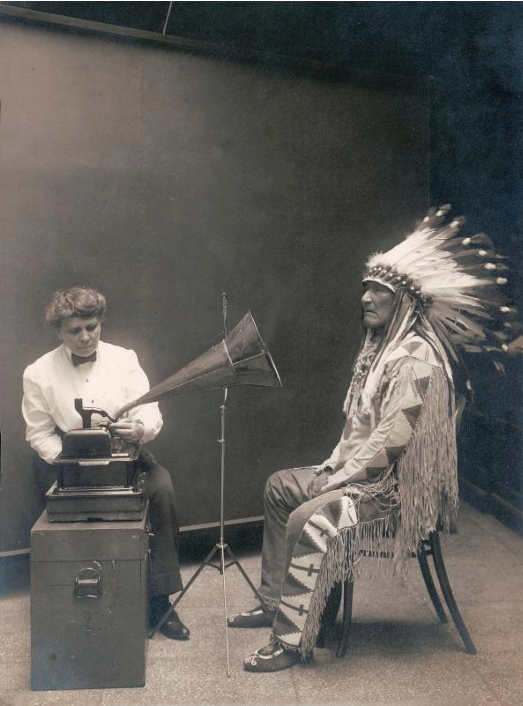
By late 2015, a new technological wave was revitalising fragile languages: smartphone recording kits, cloud archives, and early neural translation models adapted for low-resource tongues.
Two months later, communities were uploading oral histories, children were learning through digital storybooks, and diaspora groups found ways to reconnect linguistically. Technology, once feared as a homogenising force, became a preservation tool.
Digitisation cannot replace living speakers—but it can protect vocabularies, songs and grammars from extinction. Every recorded word is a cultural rescue.
By Lola Foresight
Follow us:
Join the BeYouand Tea community for insightful news, in-depth stories, and exclusive updates.
All the latest delivered igh to your inbox.
Subscribe to BeYouand Tea mewsletter
I have read and agree to the Privacy Policy
Join the BeYouand Tea community for insightful news, in-depth stories, and exclusive updates.
All the latest delivered igh to your inbox.
Subscribe to BeYouand Tea mewsletter
I have read and agree to the Privacy Policy
Accessibility Help
Manage Cookies
Do Not Sell My Info
We adhere to strict editorial standards. BeYouandTea is not not resporvibly, for the content of external sites. Learn more about our approach to external linking.