The Moon’s Water Is A Map Before It Is A Mine
By Luganka Swana
Publication Date: 14 July 2026 — 09:18 GMT
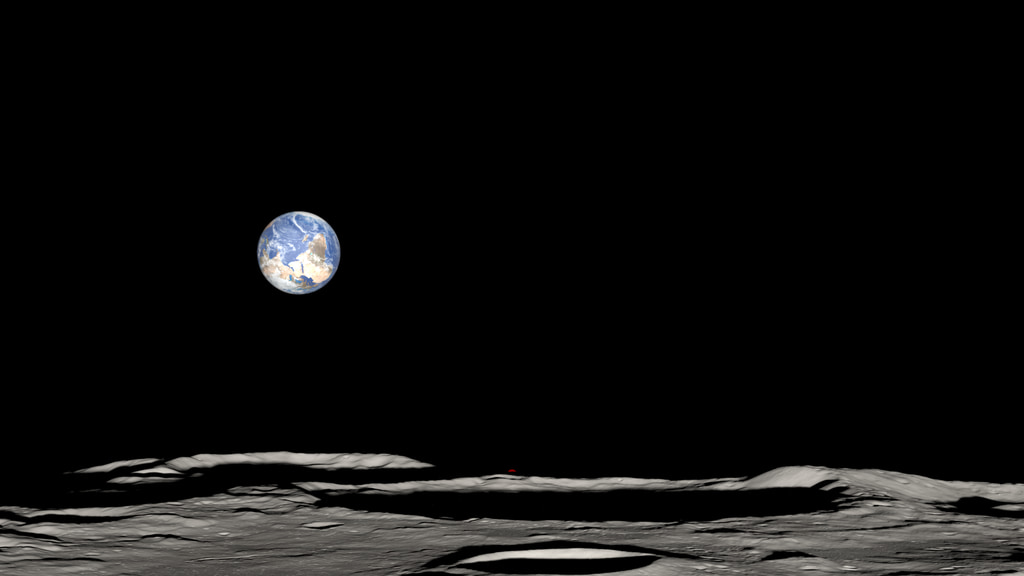
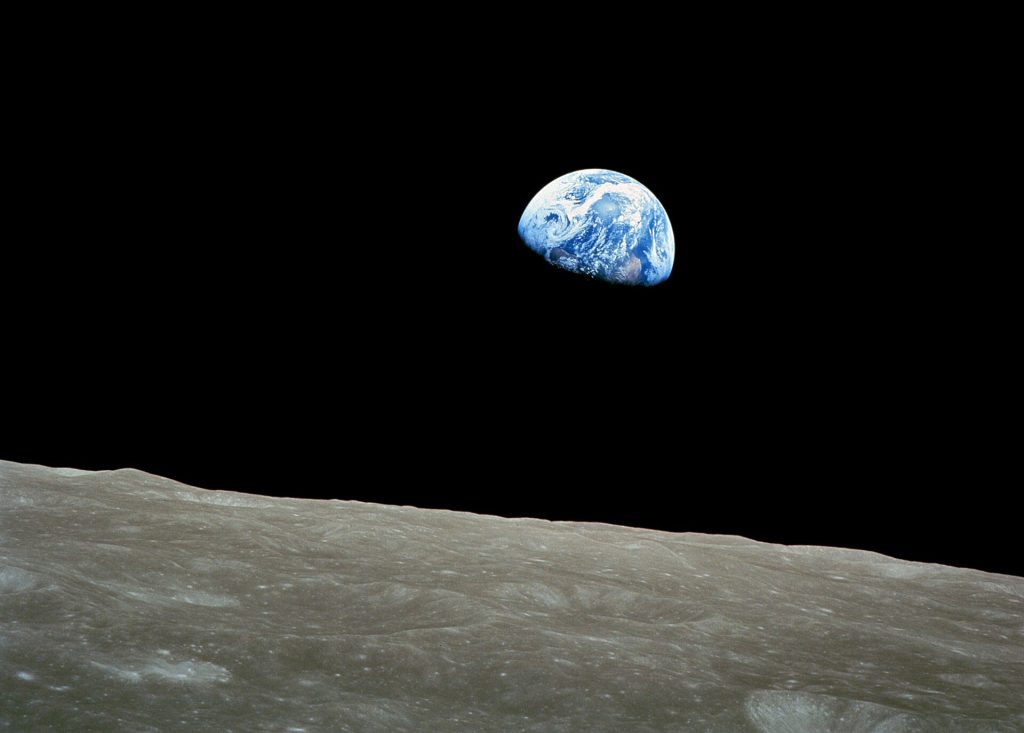
(NASA visualisation of south-polar lunar terrain and illumination. A data-based simulation, not a photograph of exposed water ice. Image Credit: NASA’s Scientific Visualization Studio – USRA/Ernie Wright, ADNET Systems, Inc./Laurence Schuler, ADNET Systems, Inc./Ian Jones)
Ice near the lunar poles offers both an archive of planetary history and a demanding test of what counts as a usable resource.
At the Moon’s poles, darkness can be a storehouse. Some crater interiors receive no direct sunlight, allowing cold conditions that can preserve volatile material. The water hidden in such places has become central to discussions of future exploration, but its value begins with understanding where it is and how it occurs.
In October 2009, NASA’s LCROSS mission and its spent Centaur stage struck the lunar surface. Observations of the resulting material helped establish the presence of water ice in a permanently shadowed crater. The experiment turned an inaccessible environment into a brief, observable plume.
An Inventory With Uneven Pages
The discovery did not produce a universal recipe for lunar excavation. Ice can occur in different physical forms and concentrations. Terrain, depth, temperature and surrounding material affect how it could be sampled or recovered. A result from one location cannot make every dark crater an equivalent deposit.
Water also has a scientific history. Its distribution and association with other compounds can help researchers investigate how volatile material reached the Moon and how it subsequently moved or remained trapped. Disturbing a deposit before documenting it could destroy evidence about that history.
For exploration, water might supply drinking reserves, oxygen or propellant ingredients after appropriate processing. The usefulness depends on equipment and energy. A substance described as a resource must be recoverable at a cost and reliability compatible with the mission that needs it.
The cold that helps preserve ice makes work harder. Hardware must operate in an environment chosen precisely because sunlight does not warm it. Access to power and communication can therefore be as consequential as the concentration of water beneath a drill.
The First Task Is To Learn The Landscape
A sensible sequence would begin with measurements that distinguish locations and quantify uncertainty. Where is the material? How patchy is it? What else is present? How much effort would extraction demand? Those are questions a map can make operational.
Planning begins with the conditions under which water becomes useful. The attractive phrase lunar water acquires practical meaning through a measured concentration, a reachable location and equipment that can do the work.
Exploration will reveal its quality through the care of its first measurements. A lunar deposit could be used, studied or preserved, and those choices may compete at a given site. Before a mine there should be a map rich enough to make the choice informed. The darkest parts of the Moon deserve that attention because they may retain a history sunli
You May also like
By Luganka Swana
By Luganka Swana
By Luganka Swana