Water Desalination Improvements Explained: How Next-Gen Membranes & Solar Desalination Are Solving Global Freshwater Scarcity
By Lola Foresight
Publication Date:21 April 2017 — 13:33 GMT
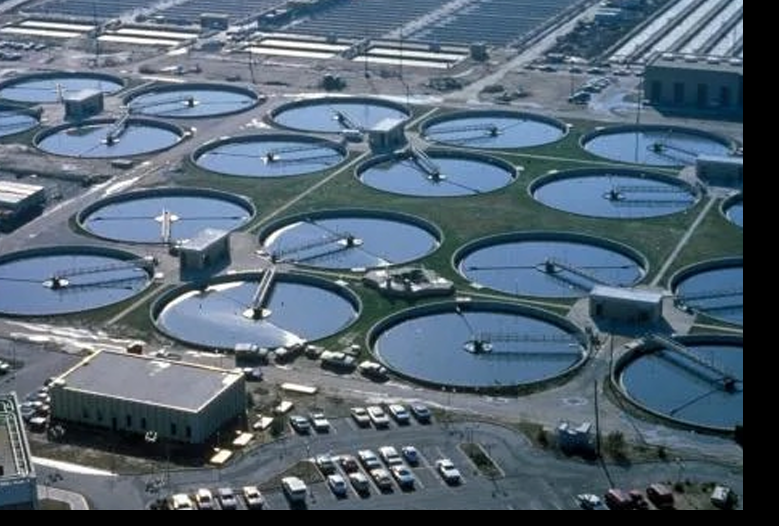
(Wastewater treatment plants may be used to enhance alkalinity to mitigate local ocean and coastal acidification. Image Credit: Chesapeake Bay Program)
Water scarcity is one of the most pressing challenges of our time, and 2017 marked a turning point in the quest for solutions. New technologies revolutionized desalination, making it a viable option for communities around the world.
– Advances in materials science and engineering led to breakthroughs in several key areas:
– Graphene oxide membranes, which filter water with unprecedented efficiency and precision.
– Solar thermal desalination, which harnesses the sun’s energy to produce fresh water.
– Forward osmosis systems, which use a natural process to draw water from seawater.
– Zero-liquid-discharge plants, which eliminate waste and minimize environmental impact.
– Electrodialysis improvements, which use electricity to remove salt and other impurities.
These innovations have had a significant impact, reducing:
– Energy costs, making desalination more energy-efficient and cost-effective.
– Environmental discharge, minimizing harm to marine ecosystems.
– Capital expenditure, making desalination more accessible to communities and industries.
– Brine toxicity, reducing the environmental footprint of desalination.
The global impact of these breakthroughs is already being felt, with countries facing extreme water stress leading the charge in desalination:
– Saudi Arabia, Israel, UAE, Australia, and Singapore are pioneering new technologies and approaches.
– Desalination is becoming a cornerstone of water security, providing a reliable source of fresh water for drinking, agriculture, and industry.
As the technology continues to evolve, desalination is poised to become to water what solar energy is to power:
– Abundant, scalable, and democratized, providing access to clean water for communities around the world.
– A game-changer for industries, such as agriculture and manufacturing, which rely heavily on water.
– A key component of a more resilient and sustainable water future, helping to quench the thirst of a growing world.
You May also like