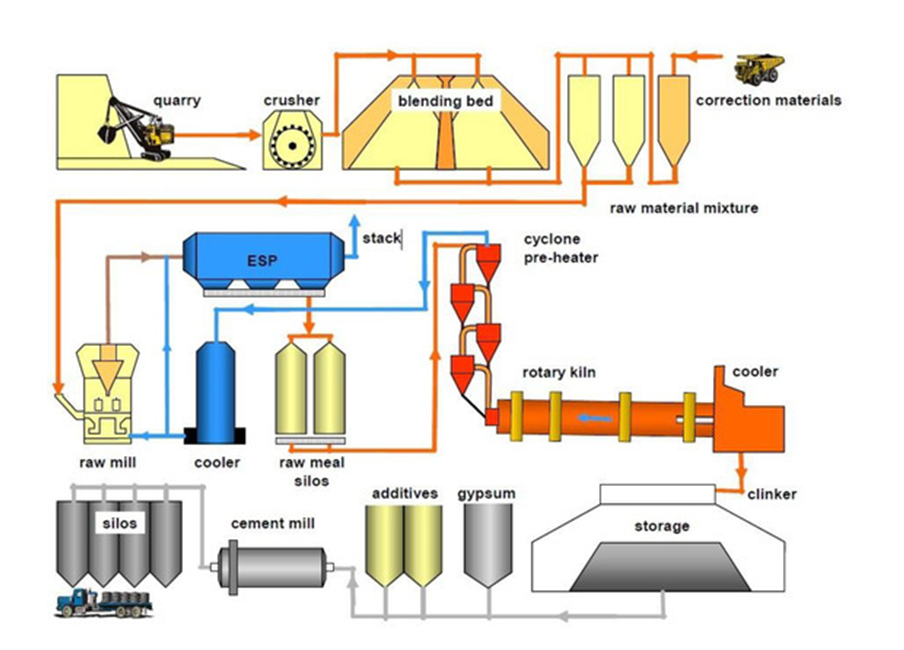
The construction industry is undergoing a quiet revolution, driven by a pressing need to reduce its environmental footprint. Cement, a ubiquitous building material, accounts for around 8% of global CO₂ emissions, but 2020 marked a turning point in the quest for sustainable solutions.
– Breakthroughs in materials science have led to the development of innovative, low-carbon cements:
– Geopolymer cement, which uses industrial waste and reduces emissions by up to 80%.
– Slag composites, which incorporate recycled materials and lower energy consumption.
– Calcined clays, which offer a more sustainable alternative to traditional cement.
– Carbon-cured concrete, which absorbs CO₂ as it sets, reducing emissions and improving durability.
These innovations are poised to transform the construction industry:
– LC3 (limestone calcined clay cement) is a promising new blend, reducing emissions by up to 30%.
– Carbon-injected curing enhances strength and durability while absorbing CO₂.
– Geopolymer binders offer a low-carbon alternative to traditional cement.
– Recycled aggregate concretes reduce waste and conserve natural resources.
The legacy of these breakthroughs is clear:
– Construction is entering a low-carbon era, with the built environment aligning with climate goals.
– A new generation of sustainable buildings is emerging, prioritizing energy efficiency and reduced emissions.
– The future of construction is greener, smarter, and more resilient, with low-carbon cement at its foundation.