
Progress in Exoplanet Habitability Metrics Explained: How Scientists Are Refining the Search for Alien Life
By Lola Foresight
Publication Date:27 September 2020 — 12:50 GMT
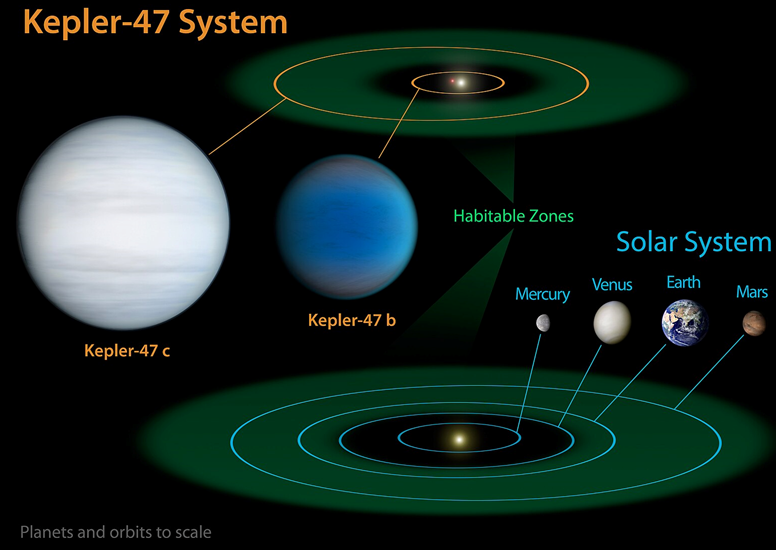
(Image Credit: Wikipedia)
2020 marked a paradigm shift in the search for life beyond Earth, as habitability metrics evolved from simplistic “habitable zone” concepts to multidimensional models. This revolution has transformed our understanding of what makes a planet capable of supporting life, opening new avenues in the quest for extraterrestrial life.
A New Lens on the Universe
The traditional notion of a habitable zone, where temperatures are suitable for liquid water, has given way to a more nuanced understanding of the complex factors that contribute to a planet’s habitability. The new metrics include:
– Planetary albedo: the measure of a planet’s reflectivity, influencing its energy balance
– Geological activity: the presence of plate tectonics, volcanism, and earthquakes, which shape a planet’s surface and atmosphere
– Atmospheric retention: the ability of a planet to maintain a stable atmosphere, shielding life from harm
– Magnetic fields: the protective shield that safeguards life from harsh radiation and charged particles
– Bio-signature gases: the presence of gases, such as oxygen, methane, or ozone, that could indicate biological activity
– UV environment: the impact of ultraviolet radiation on a planet’s surface, influencing the emergence and sustainability of life
– Stellar flare frequency: the frequency and intensity of stellar flares, which can affect a planet’s habitability
A New Era of Discovery
These multidimensional models have far-reaching implications for our understanding of the universe. Planets once dismissed as uninhabitable may, under these new models, harbor life, while some in the “Goldilocks Zone” may be barren. This shift has sparked a new wave of exploration, as scientists seek to understand the intricate dance of factors that contribute to a planet’s habitability.
A Rigorous System for Identifying Life
Humanity is developing the first rigorous system for identifying life-friendly worlds across the galaxy, a monumental achievement that will reshape our understanding of the cosmos. As we continue to refine these models, we edge closer to answering one of humanity’s most profound questions: are we alone in the universe?
The Legacy of Discovery
This breakthrough marks a significant milestone in the search for life beyond Earth, as we transition from speculation to scientific inquiry. The new habitability metrics have opened a new frontier in astrobiology, one that promises to reveal the secrets of life in the universe and inspire a new generation of scientists, explorers, and dreamers.
As we venture forth into the unknown, we are poised on the threshold of a new era in space exploration, one that will redefine our understanding
You May also like

By Lola Foresight

By Lola Foresight