Plastic waste has become a defining environmental issue of our time, but 2021 marked a turning point in the fight against pollution. Advanced recycling technologies have matured, offering a new solution to the plastic crisis.
– Innovative processes are now available to transform hard-to-recycle plastics into valuable resources:
– Pyrolysis converts plastics into synthetic crude, a versatile feedstock.
– Gasification produces syngas, a clean-burning fuel.
– Hydrothermal liquefaction and catalytic depolymerization break down plastics into their molecular building blocks.
These technologies have far-reaching implications:
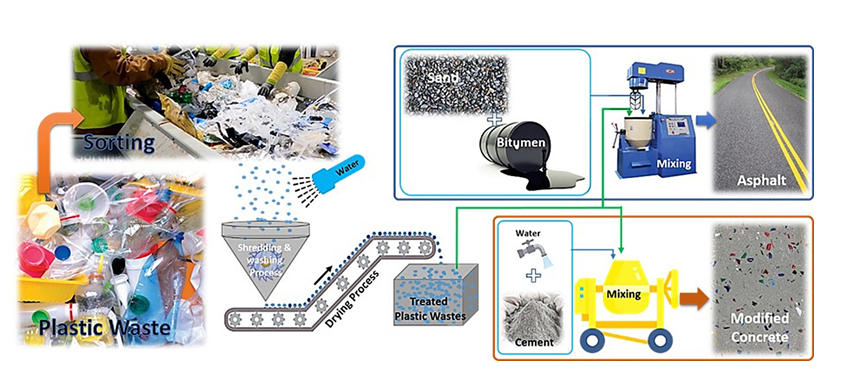
– Hard-to-recycle plastics are now a feedstock for fuels, chemicals, and other products.
– Diesel, jet fuel, and naphtha can be produced from waste plastics.
– Chemical feedstocks can be reused to make new plastics, closing the loop.
The legacy of advanced recycling is clear:
– Plastic is no longer a linear product, but a circular resource.
– Waste plastics are now a valuable feedstock, rather than a burden.
– A new era of plastic production is emerging, one that prioritizes recycling, reuse, and sustainability