
Paimio And The Architecture Of Paying Attention
By Aletheia Gako
Publication Date: 19 March 2026 — 09:45 GMT
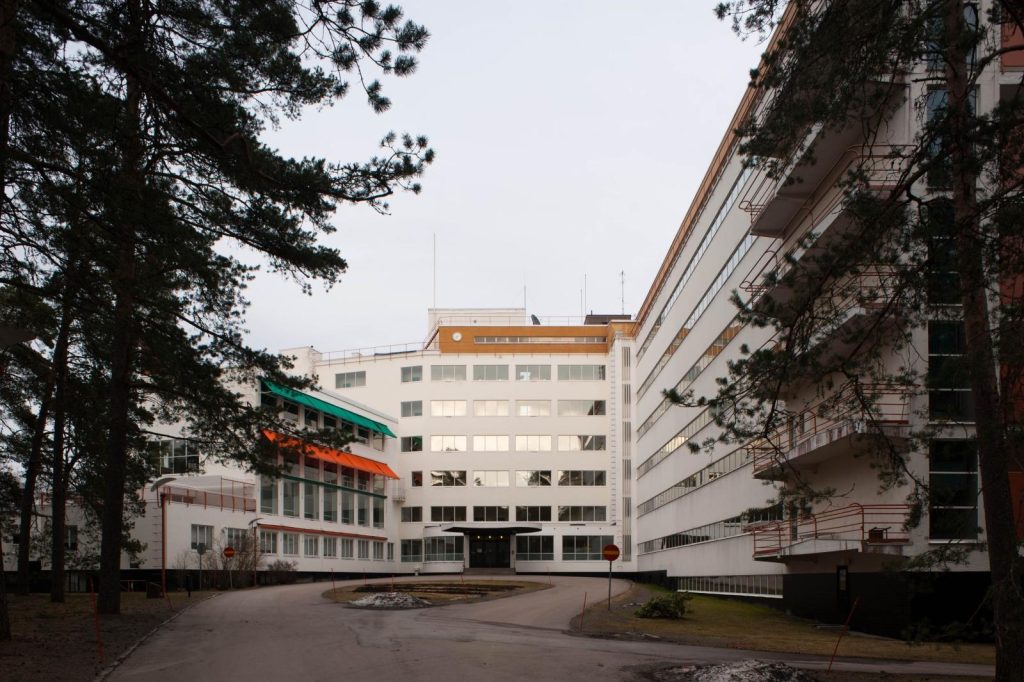
(Paimio Sanatorium, Finland, designed by Alvar and Aino Aalto. Image: Leon Liao, CC BY 2.0, via Wikimedia Commons.)
A Finnish sanatorium shifted design towards the experience of the person in the bed.
A hospital room looks different when its occupant is lying down. The ceiling becomes a principal surface; light enters from an unfamiliar angle; a small sound can seem disproportionately large. At Paimio Sanatorium, this altered perspective helped shape the architecture rather than appearing as an inconvenience after construction.
Completed in 1933, the Finnish complex was designed by Alvar and Aino Aalto for tuberculosis care. Its organisation belongs to the medical thinking of its period, including an emphasis on rest and fresh air. That history must be distinguished from contemporary treatment: architectural features should not be described as a cure for an infectious disease.
Design From The Bed
Within that context, the attention to daily experience was striking. Patient rooms had dark ceilings, and a specially designed washbasin sought to reduce the noise of falling water. Lighting and furnishings were considered alongside the building’s larger arrangement. Design reached from the grouping of wings to the objects closest to a patient’s body.
Those choices were not the product of one person working alone. The Aaltos collaborated with others, including decorative artist Eino Kauria on colour and manufacturers on lighting and furniture. The sanatorium makes a strong case for architecture as coordinated work: a considerate room depends on surfaces, services and products agreeing with one another.
Paimio is often recruited into a simplified story in which humane modernism overcame mechanical modernism. The actual building is more instructive. It joined concrete construction and building services with close attention to human use. Technology and care were not mutually exclusive ambitions; the question was what the technology enabled a person to experience.
A Different Reference Body
Its continuing significance lies in that question. A specification can be met while a room remains tiring, noisy or difficult to understand. Evaluating a healthcare environment requires evidence about its users, rather than confidence that an attractive interior must be therapeutic. Comfort, clinical outcomes and architectural intention are related subjects, but they are not interchangeable measurements.
The sanatorium also reminds designers that the standing adult is only one possible reference body. A person may be resting, recovering or unable to choose their surroundings. To consider a room from that position is to redistribute design authority. At Paimio, the ceiling is an especially vivid record of the shift: an overlooked surface becomes important because someone has to look at it for hours.
You May also like
By Aletheia Gako
By Aletheia Gako

By Aletheia Gako