ORGANOIDS FOR DISEASE MODELING EXPLAINED: How Miniature Lab-Grown Human Organs, Stem Cell Engineering and Predictive Biology Are Transforming Drug Discovery
By Lola Foresight
Publication Date: 26 June 2013 — 11:01 GMT
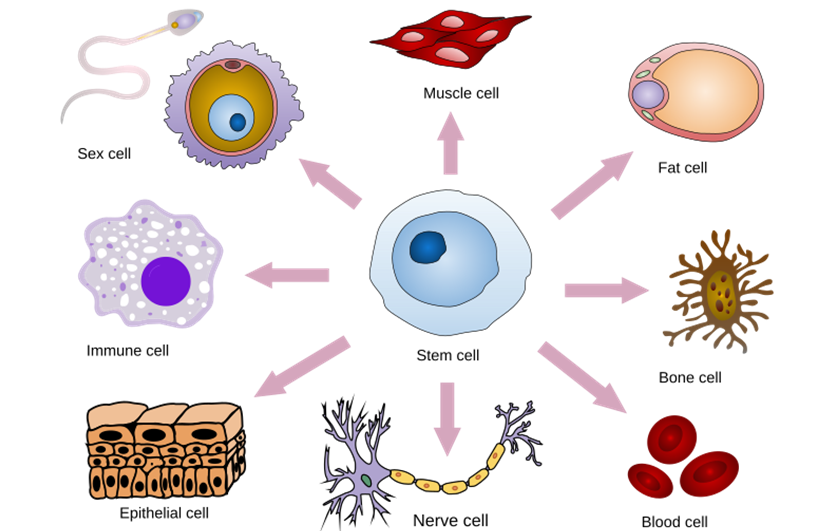
(Image Credit: Wikipedia)
When scientists first announced the creation of human organoids in 2013, most outside the field underestimated the magnitude of the breakthrough. But within biotechnology, a realization spread: the fundamental bottleneck in drug discovery — the lack of human-relevant test systems — had finally been cracked.
What Are Organoids?
Organoids are self-organizing, three-dimensional clusters of human cells grown from pluripotent stem cells. They mimic key aspects of real human organs:
- Brain organoids form layered neural structures.
- Intestinal organoids develop villi and crypts.
- Liver organoids metabolize drugs.
- Kidney organoids filter molecules.
- Retinal organoids contain photoreceptors.
They are not full organs — but they are sufficiently functional to model disease with extraordinary accuracy.
Why Organoids Revolutionize Drug Development
Every year, drug candidates fail in clinical trials due to one reason: human biology did not behave like animal models predicted.
Organoids solve this:
- They offer human-specific physiology.
- They allow rapid iteration and screening.
- They reflect genetic diversity when derived from different patients.
- They enable testing of rare diseases using patient stem cells.
In effect, organoids turn the laboratory into a miniature human test environment.
Clinical and Research Impact
Organoids have fueled breakthroughs in:
- Cystic fibrosis therapy personalization
- Cancer drug sensitivity screening
- Infectious disease modeling (Zika, SARS-CoV-2)
- Regenerative medicine
- Toxicology and safety research
They allow researchers to observe diseases unfolding in real time — something impossible in traditional systems.
Strategic Corporate Value
Pharmaceutical companies rapidly adopted organoids:
- R&D costs decreased
- Failure rates declined
- Precision medicine pipelines advanced
- High-throughput organoid arrays became industry standards
Organoids also created new business models: organoid biobanks, disease-in-a-dish platforms, and personalized therapy prediction services.
The Legacy
Organoids transformed biomedical research from predictive guessing into predictive accuracy.
They represent the bridge between human biology and human treatment — a new foundation for drug discovery.