Ocean Alkalinity Enhancement Explained: How Scientists Aim to Reverse Acidification and Improve Carbon Sequestration
By Lola Foresight
Publication Date:30 November 2020 — 16:20 GMT
(Image Credit: Wikipedia)
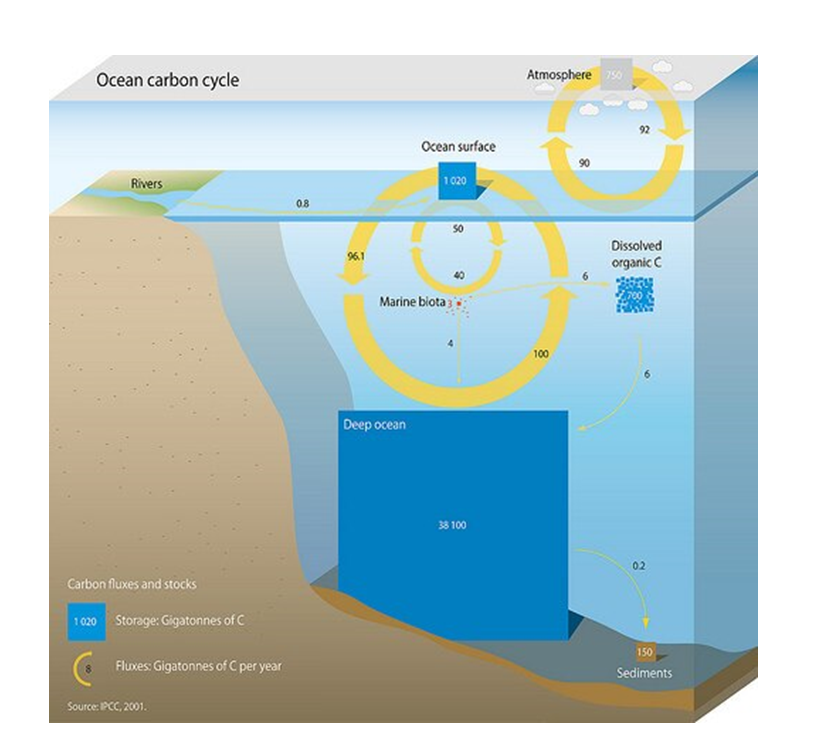
Ocean acidification, driven by absorbed atmospheric CO₂, is one of the gravest planetary threats. In 2020, researchers began unveiling experimental approaches known as Ocean Alkalinity Enhancement (OAE) — a potential macro-scale solution.
How OAE Works
By adding alkaline substances (like crushed olivine, magnesium hydroxide, or calcium compounds) to ocean waters, scientists increase pH and boost the ocean’s natural capacity to absorb CO₂.
The Scientific Logic
Oceans absorb ~25% of human CO₂
Acidification undermines coral reefs, shellfish, and plankton.
Increasing alkalinity enhances long-term CO₂
Early Experimental Approaches
Coastal enhanced weathering
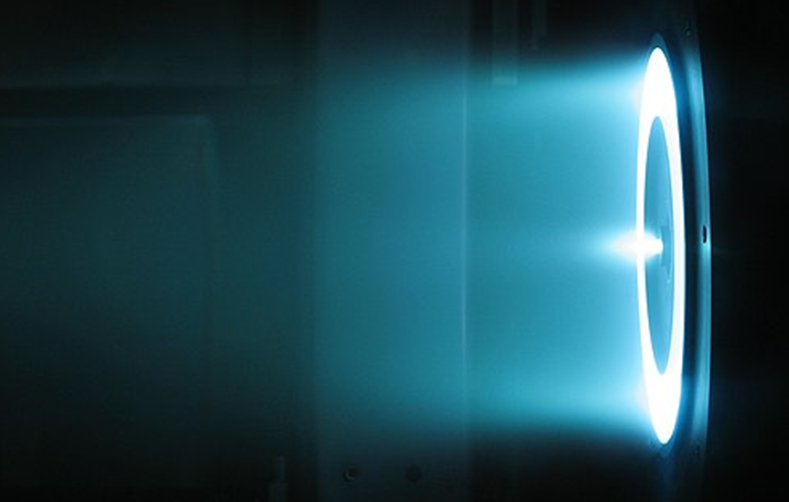
Electrochemical alkalinity generation
Alkaline mineral dispersal
Artificial upwelling systems
Risks & Governance
OAE poses serious questions:
Ecological side effects
Local vs global impacts
International ocean regulation
Monitoring and verification standards
The Legacy
OAE represents humanity’s first attempt to modulate Earth’s geochemical systems deliberately — a planetary-scale intervention that could become a cornerstone of climate mitigation if proven safe.