mRNA VACCINE TECHNOLOGY EXPLAINED: How Digital Bio-Engineering, Rapid Vaccine Development and Immune Programming Changed Medicine Forever
By Lola Foresight
Publication Date: 11 December 2020 — 14:12 GMT
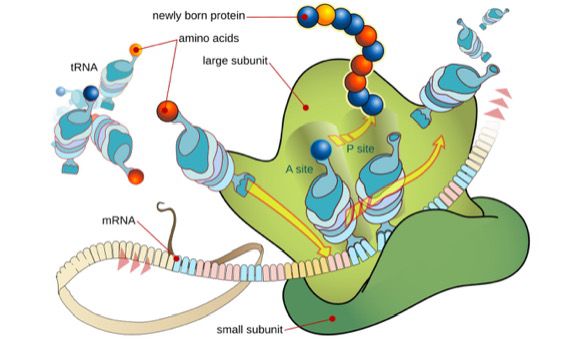
(Image Credit: Wikipedia)
When the first mRNA COVID-19 vaccine was authorized in December 2020, most headlines focused on speed: the fastest vaccine development in history. But this superficial framing missed the deeper truth. This was not simply fast science — it was a new technological era.
mRNA vaccines represent the most important leap in immunology since Jenner and Pasteur. Their success was not improvised, accidental, or lucky. It was the culmination of nearly thirty years of incremental advances across computational biology, synthetic chemistry, nanotechnology, and real-time genomics.
At the core of mRNA vaccination is a paradigm shift: vaccines are no longer manufactured — they are programmed.
Once the genetic sequence of SARS-CoV-2 was published, laboratories around the world didn’t need physical samples of the virus. They needed only the digital file containing its spike protein code. Synthetic mRNA allowed vaccine developers to translate that code into a biological instruction manual delivered inside microscopic lipid spheres.
This changed everything about timelines:
- Vaccine design time dropped from years to days.
- Manufacturing pivoted around programmable templates.
- Clinical iteration became dramatically more flexible.
This was a transformation comparable to the shift from analog to digital devices.
Vaccines moved from agricultural production (chicken eggs, cell cultures) into the realm of information logistics.
The Platform Advantage: How Software Logic Entered Biology
The enduring value of mRNA is not its role in COVID-19 — it is its platform potential.
Just as smartphones evolved from single-purpose devices into multi-application ecosystems, mRNA unlocks:
- Rapid pandemic response
- Cancer neoantigen vaccines
- HIV and malaria vaccine candidates
- Allergy desensitization
- Autoimmune modulation
- Personalized immunotherapies
- Cardiovascular and metabolic correction tools
The same core components — the mRNA backbone and the lipid nanoparticle system — can be repurposed repeatedly. Only the sequence changes.
This creates a repeatable, scalable, software-like biomanufacturing pipeline, enabling global health systems to respond to future pathogens with unprecedented agility.
Geopolitics and Economics: A New Healthcare Strategy
The strategic implications run deep:
- Nations began investing in genomic surveillance as a matter of national security.
- Pharmaceutical pipelines reorganized around programmable therapeutics.
- Regulators shifted from product-based approvals to platform-based evaluations.
- Supply chains reoriented toward mRNA raw materials, not virus cultures.
The Legacy
mRNA vaccinology proved that biology can run on information timelines.
This one breakthrough permanently reshaped pandemic preparedness, biomedical R&D, national resilience, and global health governance.
It is not an exaggeration to say that the mRNA era marks the beginning of digital medicine.
You May also like