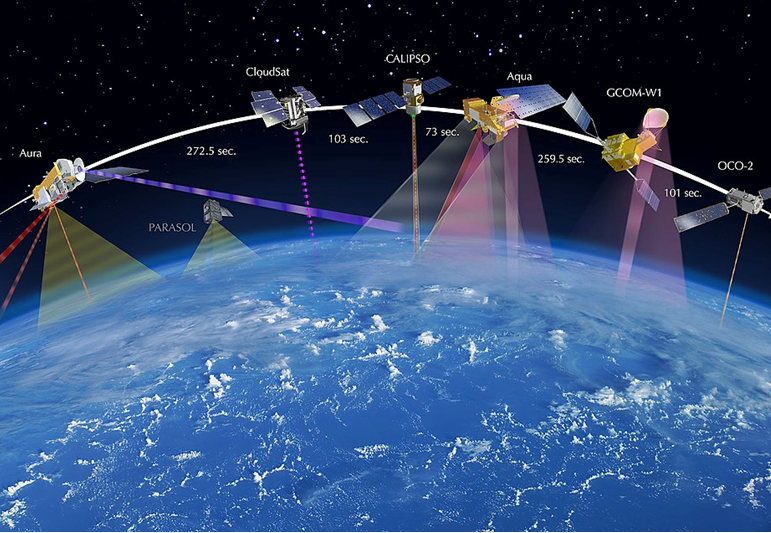
2014 marked the dawn of a new era in Earth observation, as the first large-scale deployment of microsatellites, or CubeSats, took flight. This revolution has transformed the way we monitor our planet, providing unprecedented insights into the Earth’s dynamics.
The Power of Swarm Intelligence
Satellite swarms have become a game-changer in Earth observation, offering:
– Daily global imaging: a constant, watchful eye on the planet
– High-resolution mapping: detailed, accurate, and up-to-date
– Climate and deforestation tracking: monitoring the planet’s vital signs
– Agricultural monitoring: optimizing crop yields, reducing waste
– Disaster response: rapid, targeted, and effective
Democratizing Space
The advent of small satellites has democratized access to space, making it possible for:
– Lower build costs: accessible technology, open to all
– Cheaper launches: more frequent, more affordable
– Rapid iteration: innovation, accelerated
– Constellation scalability: flexible, adaptable, and expansive
A Digital Nervous System
Satellite swarms have become the Earth’s digital nervous system, constantly sensing, mapping, and understanding our world. This interconnected web of tiny satellites is revolutionizing industries, informing policy, and empowering individuals, providing a new level of awareness and insight into our planet’s complex systems.