Microplastic Detection & Removal
Explained: The New Science Behind
Tracking & Tackling Ocean Microplastic
Pollution
By Lola Foresight
Publication Date: 14 February 2017 — 09:45 GMT
(Image Credit usgs.gov)
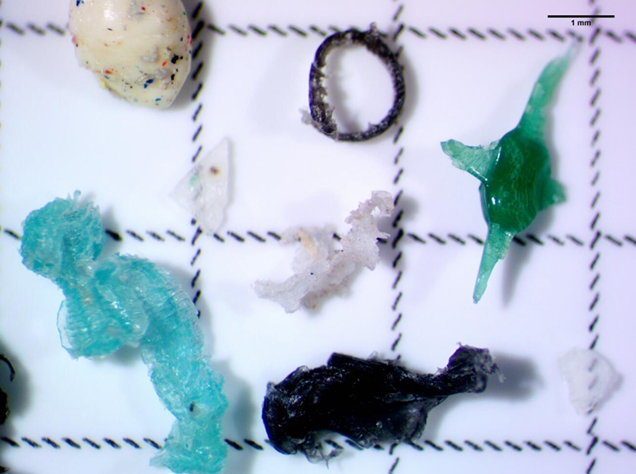
Microplastics — fragments smaller than 5 millimeters — were once invisible threats. That changed in 2017, when breakthroughs in spectroscopy, filtration and hyperspectral imaging allowed scientists to track microplastics with unprecedented precision.
Microplastic pollution is more than an environmental issue; it is a global systems challenge. These particles infiltrate:
Oceans
Soil
Air
Drinking water
Food chains
Human lungs and blood
New detection technologies revolutionized mitigation:
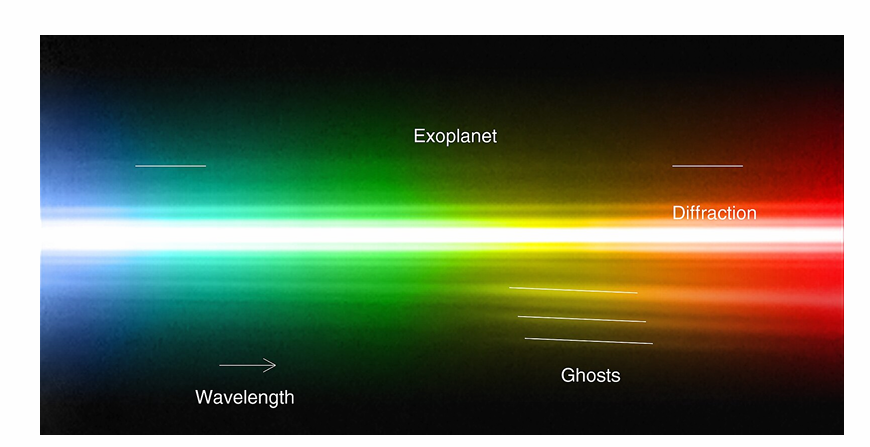
Raman spectroscopy identifies plastic types at microscopic scale.
Nanofiltration membranes remove particles from wastewater.
Robotic ocean skimmers capture floating debris.
Bioremediation enzymes break down PET at ambient temperatures.
Satellite-aided monitoring maps plastic flows across coastlines.
The modern microplastic revolution is not merely about detecting pollution — it is about preventing its creation, interrupting its pathways, and removing what has already dispersed.
This is humanity’s first true attempt to reverse a pollution crisis in real time.