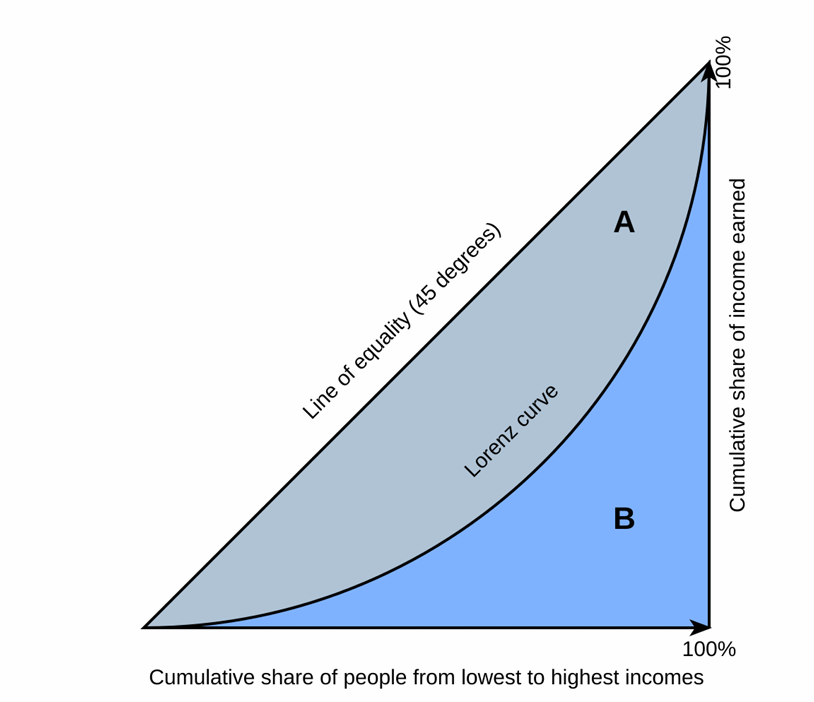
The landmark publications of early 2013 transformed inequality from an ideological debate into a measurable structural reality. One month later, economists worldwide were recalibrating their understanding of how societies stratify opportunity.
Intergenerational mobility curves revealed a troubling pattern: nations with high inequality tend to lock families into predictable economic fates. Where rungs of the ladder drift apart, climbing becomes rare.
This research drives a new policy era focused on early-childhood investment, neighbourhood revitalisation, progressive taxation and equitable education systems. Inequality is not merely an economic concern; it is a threat to democratic promise. Understanding it through rigorous data offers the first step toward reshaping systems so that talent—not birth—determines life trajectory.
The landmark publications of early 2013 transformed inequality from an ideological debate into a measurable structural reality. One month later, economists worldwide were recalibrating their understanding of how societies stratify opportunity.
Intergenerational mobility curves revealed a troubling pattern: nations with high inequality tend to lock families into predictable economic fates. Where rungs of the ladder drift apart, climbing becomes rare.
This research drives a new policy era focused on early-childhood investment, neighbourhood revitalisation, progressive taxation and equitable education systems. Inequality is not merely an economic concern; it is a threat to democratic promise. Understanding it through rigorous data offers the first step toward reshaping systems so that talent—not birth—determines life trajectory.