Gene Drives for Pest Control Explained: How Genetically Guided Inheritance Could Eliminate Malaria Mosquitoes & Invasive Species
By Lola Foresight
Publication Date:7 December 2015 — 10:42 GMT
(Image Credit: Wikipedia)
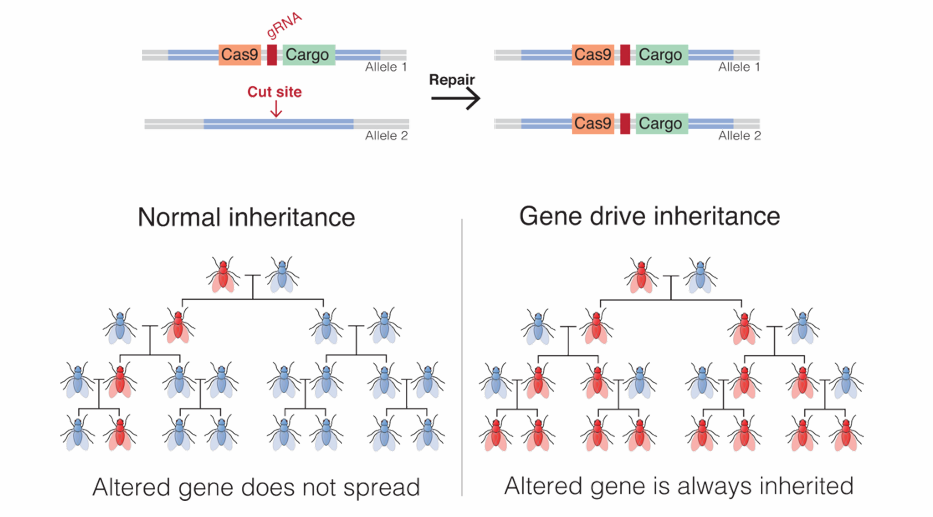
Gene drives — genetic systems designed to spread specific traits through a population at accelerated inheritance rates — entered global scientific consciousness in 2015. Their transformative power emerged instantly: this was a technology capable of reshaping entire ecosystems.
The Core Logic: Biasing Inheritance
Normally, genes pass to ~50% of offspring.
Gene drives can push that number to over 95%, enabling a trait to spread quickly through wild populations.
Early applications focused on:
Malaria-carrying mosquitoes (Anopheles gambiae)
Invasive rodents on island ecosystems
Agricultural pests causing billions in crop loss
Why Gene Drives Are Revolutionary
They don’t require chemicals, pesticides, or landscape-scale interventions.
They operate biologically, precisely, quietly, and often permanently.
Strategic Implications
Malaria could become a historical disease.
Island conservation could eliminate invasive predators.
Crops could be protected without toxic sprays.
Disease vectors could be suppressed with unparalleled efficiency.
The Moral & Ecological Debate
With great power comes fierce debate:
What if a gene drive crosses national borders?
Who decides which species should be suppressed?
What are the long-term ecological consequences?
Should gene drives include “kill switches” or reversal drives?
The Legacy
Gene drives may become one of the most ethically consequential technologies of the century — a genomic tool with the potential to save millions of lives while reshaping ecosystems responsibly.