In late 2017, a milestone in astronomy was reached, one that was once the realm of science fiction: analyzing the atmospheres of planets orbiting distant stars. This breakthrough has opened a new window into understanding the mysteries of exoplanetary systems.
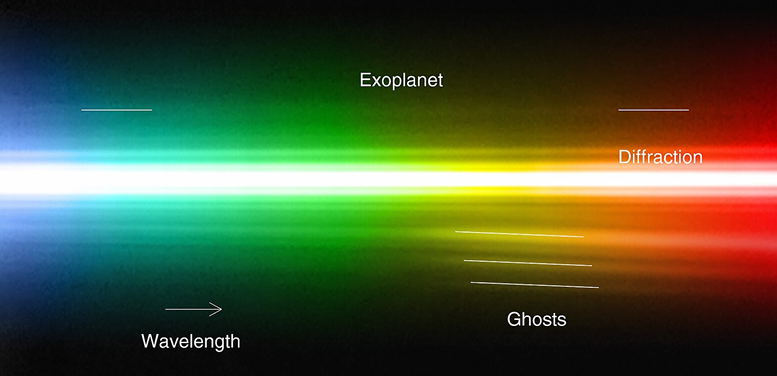
The technique is elegantly simple: as a planet transits its star, starlight filters through its atmosphere, revealing its composition. Transit spectroscopy allows scientists to detect:
– Oxygen, a potential biosignature
-Methane, a possible indicator of microbial life
– Water vapor, essential for life as we know it
– Carbon dioxide, influencing planetary climate
– Biosignature candidates, hints of life beyond Earth
Atmospheric composition offers a wealth of information:
– Temperature and weather patterns shape a planet’s climate
– Habitability: is the planet conducive to life?
– Potential life-supporting chemistry: are the building blocks of life present?
Breakthrough targets have pushed the boundaries of exoplanetary science:
– TRAPPIST-1 system: seven Earth-sized planets, three in the habitable zone
– Hot Jupiters: gas giants with atmospheres shaped by extreme temperatures
– Super-Earths in the habitable zone: prime targets for life
– K2-18b: the first water vapor detection, a milestone in the search for life
This emerging field is humanity’s first attempt to detect life beyond Earth, and the early results are tantalizing. As exoplanet atmosphere science advances, we’re poised on the threshold of a new era in astrobiology, one that may yet answer the question: are we alone in the universe?