
Ethical AI Frameworks: Building the Moral Architecture of the Digital Century
By Lola Foresight
Publication Date: 10 June 2019 — 15:02 GMT
(Image Credit: springer.com)
In April 2019, the European Union released one of the most influential documents in modern technology governance: the Ethics Guidelines for Trustworthy AI. Two months later, nearly every major government, corporation and research institution in the world was drafting its own variation.
For the first time in the digital era, global consensus was forming around a simple truth: if AI is to be safe, it must be ethical by design — not by afterthought.
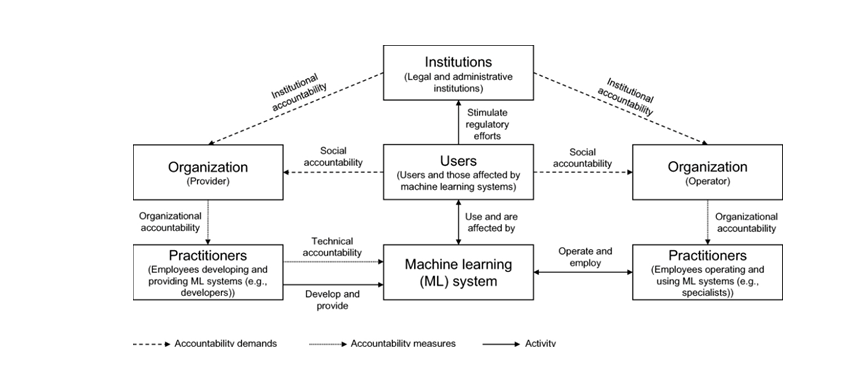
The guidelines’ core principles — human agency, transparency, accountability, fairness, privacy, robustness and societal benefit — now anchor the global conversation. They demand that AI systems be traceable, explainable, and audit-ready; that risk assessments precede deployment; that data biases be identified and mitigated; that impacts on vulnerable groups be proactively addressed; and that humans always retain meaningful oversight.
But translating principle into practice is difficult. Ethical AI requires governance infrastructure: model audits, impact reviews, red-team evaluations, fairness testing, incident reporting mechanisms, and independent oversight boards. It demands public transparency about training data, model limits and decision pathways. It requires interdisciplinary expertise: philosophers, technologists, lawyers, sociologists, economists and community representatives working together.
Companies now face a strategic reality: ethical AI is not philanthropy — it is risk management. Systems that discriminate, hallucinate, or behave unpredictably create legal, reputational and societal harm. Trust becomes a competitive advantage; safety becomes an innovation accelerant. Regulators, meanwhile, are crafting laws that embed ethics into compliance: the EU AI Act, the UK safety frameworks, U.S. executive orders, African and Asian governance councils.
Yet ethics cannot be a check-box exercise. It must be cultural. Engineers must feel empowered to escalate concerns; managers must reward safe design; institutions must incentivise long-term societal benefit rather than short-term metrics. Ethical AI is a philosophy operationalised into process.
The digital century will be defined by the systems we choose to build. Done well, AI can expand human capability and dignity. Done poorly, it can erode rights and concentrate power. The frameworks emerging in 2019 and beyond are the scaffolding for a future in which technology remains accountable to humanity — not the other way around.
You May also like


By Lola Foresight