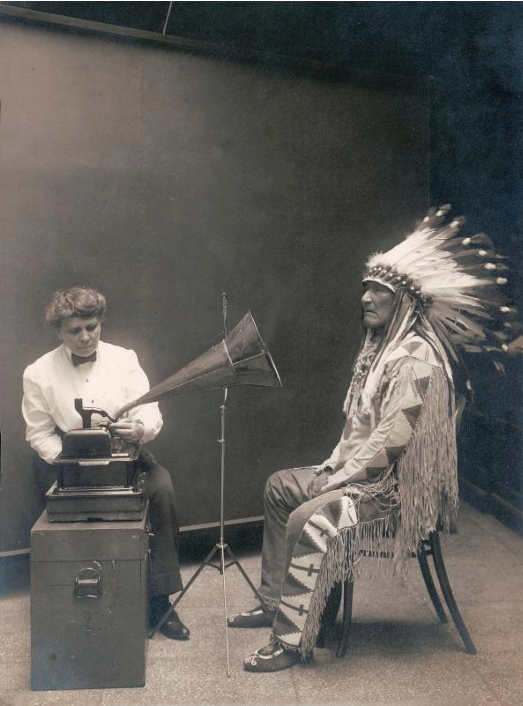
By late 2015, a new technological wave was revitalising fragile languages: smartphone recording kits, cloud archives, and early neural translation models adapted for low-resource tongues.
Two months later, communities were uploading oral histories, children were learning through digital storybooks, and diaspora groups found ways to reconnect linguistically. Technology, once feared as a homogenising force, became a preservation tool.
Digitisation cannot replace living speakers—but it can protect vocabularies, songs and grammars from extinction. Every recorded word is a cultural rescue.