CAR-T CELL THERAPY EXPLAINED: How Personalized Cellular Immunotherapy and Engineered T-Cells Redefined the Future of Cancer Treatment
By Lola Foresight
Publication Date: 31 August 2017 — 16:40 GMT
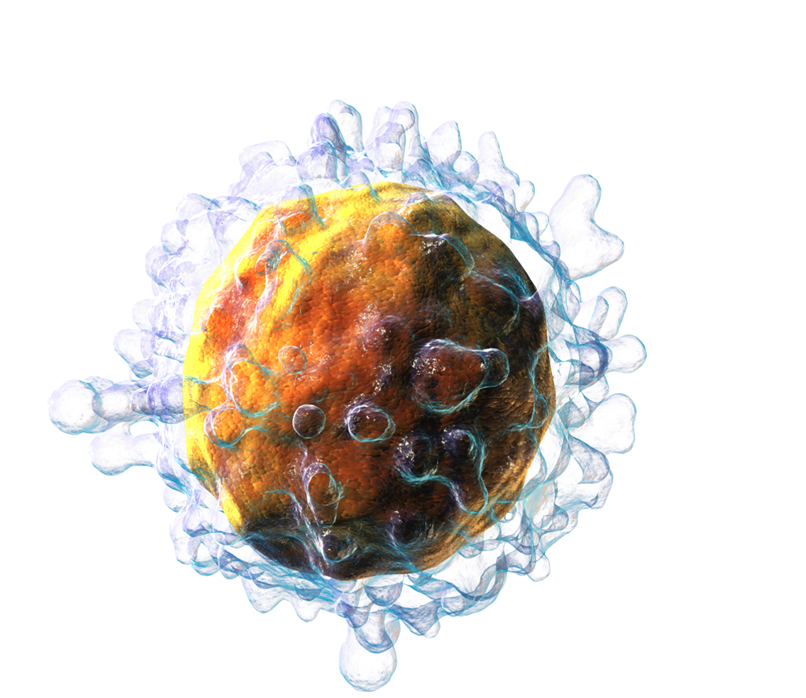
(Image Credit: Wikipedia)
When CAR-T therapy was approved in 2017, it was clear that oncology had crossed a threshold. For the first time, a patient’s immune cells were extracted, genetically redesigned to target cancer, expanded into an army, and reinfused to destroy malignant cells.
This wasn’t a drug.
It was a personalized, living treatment.
How CAR-T Works
T-cells are collected from the patient.
A viral vector inserts a Chimeric Antigen Receptor (CAR) — a new molecular sensor that recognizes a cancer-specific marker.
Modified T-cells expand into millions.
They are reinfused, immediately hunting cancer cells.
Clinical Impact: Transformative Success
In certain blood cancers, CAR-T has shown:
- 70–90% complete remission in previously terminal patients
- Durable responses lasting years
- Effective treatment after chemotherapy failure
In many cases, CAR-T is not merely prolonging life — it is curing patients.
Why CAR-T Is a Business Revolution
CAR-T created a new industrial category:
- Cellular manufacturing facilities
- Cold-chain precision pipelines
- Point-of-care genetic engineering units
- New reimbursement models for six-figure therapies
Hospitals evolved from treatment centers into bio-engineering hubs.
Next-Generation CAR-Ts
The industry is expanding toward:
- Solid tumor CAR-Ts
- Off-the-shelf allogeneic CAR-Ts
- Dual-target and armored constructs
- Tumor microenvironment modulators
- Safety switches and controllable CAR-Ts
The Legacy
CAR-T proved that medicine can reprogram the body to fight disease internally.
It is the first chapter of cellular therapy, a field destined to transform oncology, autoimmunity, and beyond.
You May also like