Artificial Photosynthesis Explained: How Scientists Are Learning to Turn Sunlight, Water & CO₂ Into Clean Fuel
By Lola Foresight
Publication Date:2 October 2015 — 15:14 GMT
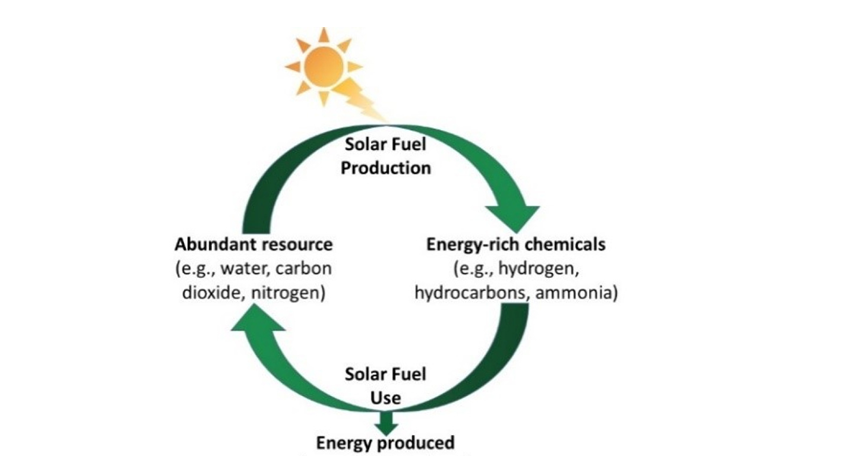
(Image Credit: energy.gov)
Artificial photosynthesis — the holy grail of clean energy — reached a defining milestone in 2015, when researchers achieved efficient solar-driven water splitting using stable catalysts.
Artificial photosynthesis aims to replicate the most elegant system nature ever produced: using sunlight to convert water and CO₂ into energy-rich molecules.
Breakthroughs included:
Metal-organic frameworks for solar fuel generation
Catalysts that mimic plant enzymes
Photoelectrochemical cells producing hydrogen
CO₂ reduction catalysts producing methanol and hydrocarbons
Integrated solar-to-fuel reactors
Artificial photosynthesis is powerful because it offers liquid fuels without fossil fuels — a game-changer for aviation, shipping and heavy industry.
Once scaled, artificial photosynthesis could do for the 21st century what chloroplasts did for the ancient Earth: power life using the sun.