
AI IN MEDICAL IMAGING EXPLAINED: How Deep Learning Diagnostics, Automated Detection and Radiology Intelligence Are Redefining Clinical Standards Worldwide
By Lola Foresight
Publication Date: 27 January 2020 — 08:37 GMT
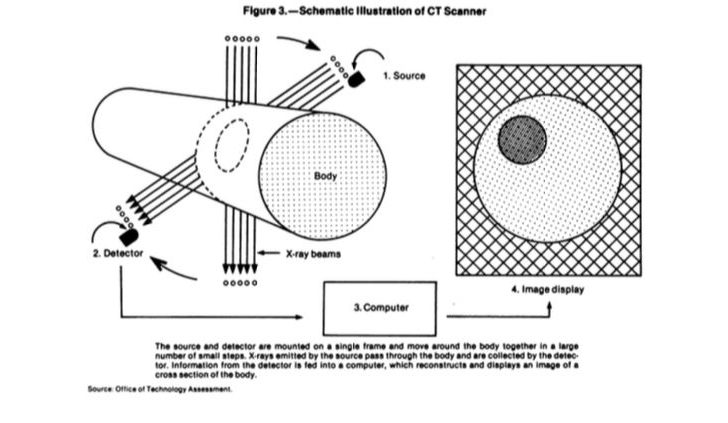
(Image Credit: Wikipedia)
As 2020 began, artificial intelligence crossed a threshold in radiology: it was no longer a research trend but a validated clinical force. Across multiple imaging domains — CT, MRI, X-ray, ultrasound, retinal scans — AI demonstrated expert-level performance.
Why Radiology Was the Perfect Frontier for AI
Medical imaging generates enormous datasets:
- Millions of scans per year
- Increasing resolution
- Rising diagnostic complexity
- Growing clinician shortages
AI thrives in pattern recognition, especially where precision and consistency are paramount.
Clinical Applications Across Specialties
AI now assists in detecting:
- Lung nodules
- Breast cancer lesions
- Bone fractures
- Diabetic retinopathy
- Stroke indicators
- Pulmonary embolism
- Liver fibrosis
- Brain aneurysms
In some cases, AI identifies anomalies that humans rarely see — not because physicians lack expertise, but because machines never tire, never lose focus, and never overlook subtle pixel-level patterns.
Radiologists Are Not Replaced — They Are Elevated
The real-world impact is not displacement:
- AI handles the repetitive, high-volume tasks.
- Radiologists focus on complex interpretation and patient communication.
- Workflows speed up.
- Diagnostic accuracy increases.
- False negatives drop significantly.
AI became the force multiplier radiology needed.
Global Health Impact
Regions with limited access to specialists now gain:
- Real-time triage assistance
- Automated quality control
- Remote diagnostic capability
AI is democratizing diagnostic excellence.
Strategic Value
Hospitals are reorganizing around AI-enhanced imaging pipelines:
- Faster ER throughput
- Standardized reporting
- Predictive analytics
- Integration with electronic medical records
- Lower radiology burnout
The Legacy
AI in imaging proves that the future of diagnosis lies in human-machine collaboration.
Together, they deliver a level of precision and scalability previously unimaginable.
You May also like