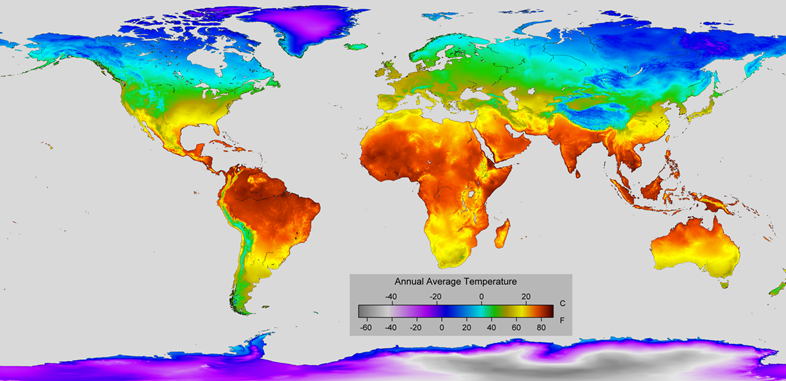
By 2022, artificial intelligence had revolutionized the field of climate modeling, bringing unprecedented precision and speed to the quest for climate solutions. AI’s impact is multifaceted:
– Ultra-high-resolution simulations allow for granular forecasting, enabling policymakers to make informed decisions.
– Rapid modeling of extreme weather events helps communities prepare and adapt.
– Improved early-warning systems save lives and infrastructure.
– Policy scenario testing enables governments to evaluate the effectiveness of climate interventions.
– Integration of satellite data streams provides real-time insights, informing climate action.
In a world where uncertainty is the enemy, AI provides clarity, precision, and speed. Climate intelligence is now a computational discipline, with AI as its driving force. This shift empowers policymakers to develop targeted, effective strategies to mitigate climate change.
The legacy of AI in climate modeling is clear:
– A new era of climate forecasting, where AI-driven insights inform decision-making.
– Enhanced preparedness and resilience in the face of climate uncertainty.
– Accelerated progress toward a more sustainable, climate-resilient future, driven by the power of AI.