Soil Microbiome Research Explained: How Hidden Soil Ecosystems Could Save Agriculture & Capture Carbon
By Lola Foresight
Publication Date: 12 December 2018 — 11:54 GMT — Edited 19 January 2021 — 11:09 GMT
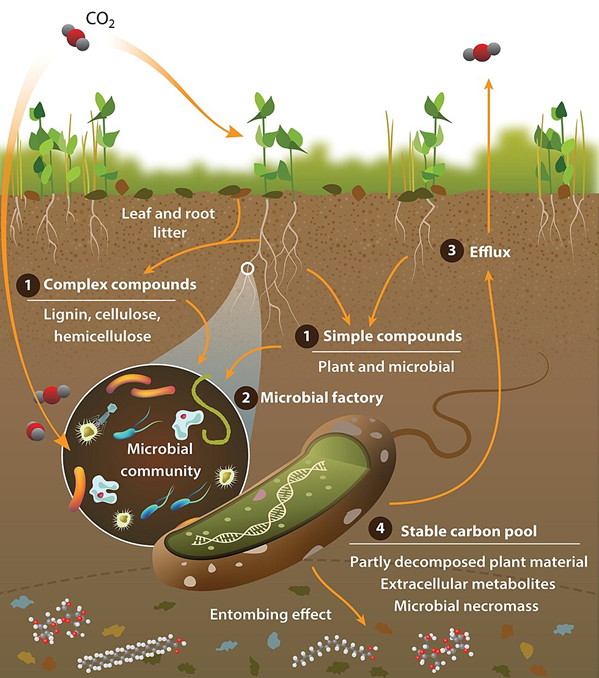
(Image Credit: Wikipedia)
Beneath our feet, a biological revolution is underway, and 2018 marked a turning point in our understanding of the natural world. Scientists have made groundbreaking discoveries about the complex ecosystem of soil, revealing its critical role in sustaining life on Earth.
– Healthy soil is teeming with trillions of microorganisms, which play a vital role in regulating plant immunity, nutrient uptake, and carbon storage.
– These microbes are the unsung heroes of agriculture, working tirelessly to support plant growth and health.
– However, modern agricultural practices have damaged microbiome diversity, threatening the very foundation of our food system.
The potential applications of this research are vast and promising:
– Microbial inoculants can enhance soil health and boost crop yields.
– Biofertilizers offer a sustainable alternative to chemical fertilizers.
– Carbon-sequestering root systems can help mitigate climate change.
– Fungi-plant symbiosis engineering can improve soil fertility and resilience.
– Regenerative agriculture strategies can restore degraded soil and promote ecosystem services.
The implications for climate change are profound:
– Soil stores three times more carbon than the atmosphere, making it a critical component of climate regulation.
– Restoring the soil microbiome could be a major climate solution, with the potential to sequester massive amounts of CO2.
The legacy of this research is still unfolding, but it is clear that the soil microbiome is a powerful lever for climate and food security:
– A new era of sustainable agriculture is emerging, one that prioritizes soil health and ecosystem services.
– By harnessing the power of the soil microbiome, we can create a more resilient and regenerative food system.
– The future of our planet may depend on our ability to unlock the secrets of the soil, and we are only just beginning to understand its full potential.
You May also like