Electric Aviation Prototypes Explained: How Battery Aircraft & Hybrid-Electric Designs Are Transforming the Aviation Industry
By Lola Foresight
Publication Date:10 June 2016 — 08:14 GMT
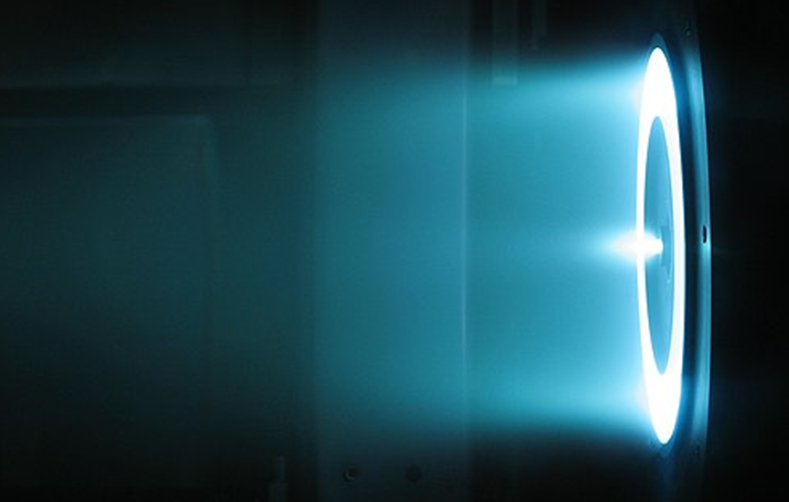
(Spacecraft electric propulsion. [6 kW Hall thruster in operation at the NASA Jet Propulsion Laboratory]Image Credid: Wikipedia)
Electric Aviation: Pioneering a Sustainable Future for Flight
In 2016, the aviation industry took a significant step towards a more sustainable future with the unveiling of multiple battery-electric prototypes capable of short-range passenger flight. This marked the beginning of a new era in electric aviation, one that promises to transform the way we travel and mitigate the environmental impact of air travel.
The Imperative for Electric Aviation
Aviation is a significant contributor to global CO₂ emissions, accounting for approximately 2-3% of the total. As air travel continues to grow, so do its emissions. Electric aircraft offer a compelling solution, providing:
– Zero in-flight emissions: A significant reduction in greenhouse gas emissions and air pollutants
– Quiet operations: Reduced noise pollution and improved community relations
– Lower maintenance costs: Simplified engine design and reduced operational expenses
– New regional mobility models: Enhanced connectivity and accessibility for underserved communities
Pioneering Prototypes
Several innovative prototypes have paved the way for electric aviation:
– NASA’s X-57 Maxwell: A modified Tecnam P2006T, showcasing distributed electric propulsion
– Airbus E-Fan: A sleek, all-electric aircraft with a range of up to 60 km
– Pipistrel Alpha Electro: A commercially available, all-electric trainer aircraft
– Hybrid-electric regional jets: Companies like Zunum Aero and Eviation are developing hybrid-electric aircraft for regional routes
Overcoming Key Limitations
While electric aviation holds great promise, several challenges must be addressed:
– Battery energy density: Improving energy storage to increase range and payload capacity
– Aircraft weight: Optimizing design and materials to reduce weight
– Charging infrastructure: Developing rapid-charging systems and widespread infrastructure
– Regulatory pathways: Establishing certification standards and regulatory frameworks
The Hydrogen Synergy
Electric propulsion is poised to synergize with hydrogen fuel cells, liquid hydrogen turbines, and hybrid-electric systems, offering a potential game-changer for long-haul flights.
A Regional Revolution
Electric aviation will not begin with transcontinental jets; it will start with regional mobility, connecting cities and communities in a more sustainable and efficient manner. As the industry scales, it will reshape the carbon footprint of global transportation, offering a cleaner, quieter, and more efficient future for air travel.
You May also like