Renewable Energy Grid Integration Explained: How Smart Grids, Storage, and AI Are Creating a Resilient Clean Energy Infrastructure
By Lola Foresight
Publication Date: 14 May 2018 — 09:41 GMT
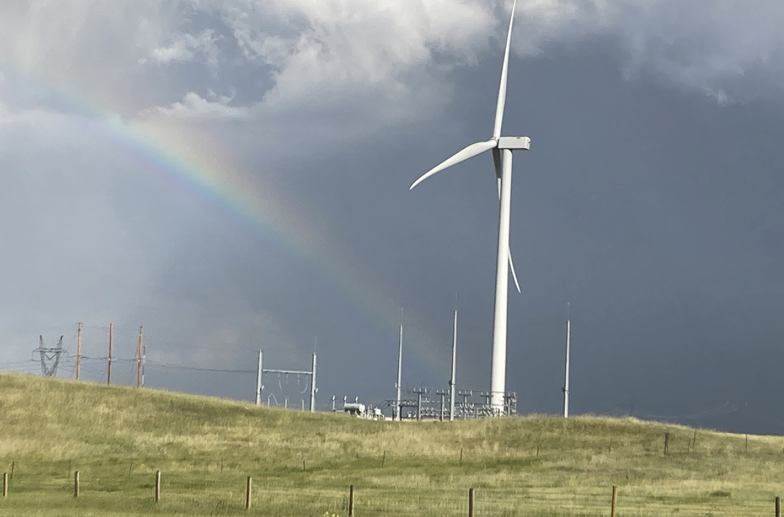
(Image Credit: Cynthia Bothwell – energy.gov)
Renewable energy generation scaled dramatically by 2018 — but the real breakthrough came with grid integration technologies that made wind and solar reliable at national scale.
The Problem: Intermittency
Renewables are abundant but variable.
The grid was designed for predictability.
Integration technologies changed that equation:
Grid-scale batteries
Dynamic load balancing
Smart substations
AI-powered demand forecasting
High-voltage DC transmission lines
Vehicle-to-grid energy flows
The Smart Grid Arrives
Smart grids introduced:
Real-time pricing
Distributed energy resource monitoring
Autonomous load redistribution
Microgrid resilience systems
Automated fault detection
Energy Storage: The Great Enabler
Breakthroughs in:
Lithium iron phosphate (LFP)
Flow batteries
Solid-state storage
Hydrogen storage
Thermal molten-salt reservoirs
…turned renewables from unpredictable energy sources into stable baseload contributors.
The Legacy
Renewable integration is the world’s largest-ever engineering upgrade — the rewiring of entire nations.
It ensures that solar and wind aren’t merely alternatives; they are the new backbone of global power.