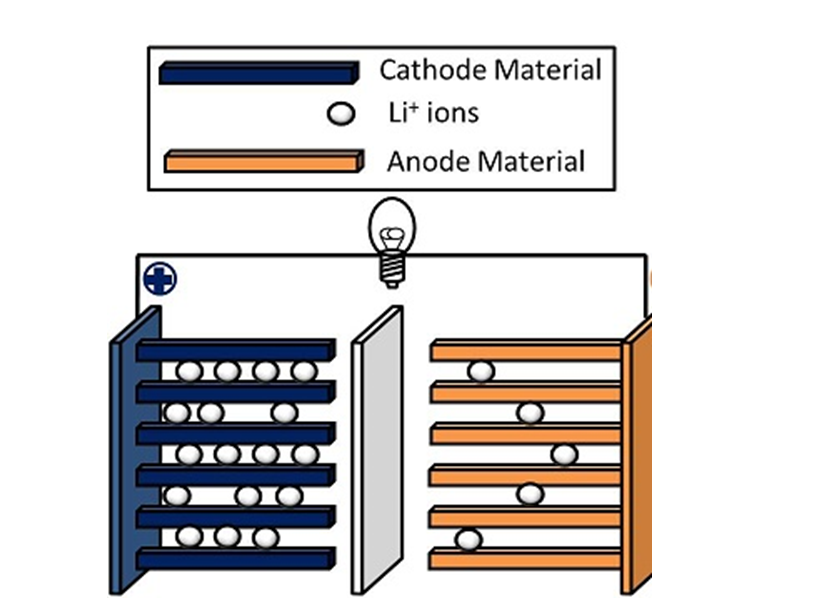
By admin / December 2, 2025 Electric Vehicle Battery Improvements Explained: How Next-Gen Batteries Enable Longer Range, Faster Charging & Sustainable EV Adoption By Lola Foresight Publication Date: 19 April 2019 — 08:56 GMT (Image Credit: Wikipedia) The EV revolution accelerated dramatically in 2019 with breakthroughs in battery chemistry, longevity and thermal stability.Progress was multidimensional:Solid-state batteries (safer, denser, faster-charging)Silicon-anode lithium-ion (40–60% higher energy density)Cobalt-free chemistries (reducing conflict mineral dependence)Ultra-fast charging (10–15 minutes to 80%)Recycling technologies (recovering >95% of critical minerals)Battery innovation is not only technological — it is geopolitical.Better batteries reduce reliance on oil, reshape supply chains and redefine national energy security.The next decade will see:EVs surpass ICE vehicles in cost parityHeavy-duty electric transport scalingGrid-scale storage stabilizing renewable energyAutonomous electric fleetsTrue cradle-to-cradle battery circularityBattery innovation is not just changing vehicles — it is changing civilization’s energy architecture. You May also like Confirmation of Lunar Water Ice Explained: Why This Discovery Is the Key to Future Moon Bases and a Permanent Human Lunar Presence By Lola Foresight Quantum Cryptography Advances Explained: How Quantum Communication Is Ushering in the Era of Unbreakable Security By Lola Foresight SpaceX & Commercial Spaceflight Milestones Explained: How Reusable Rockets Made Space Affordable for the First Time in History By Lola Foresight