NEW ALZHEIMER’S BIOMARKERS: How Blood-Based Tests, Precision Neuroimaging and Early Detection Transformed Global Dementia Strategy
By Lola Foresight
Publication Date: 6 March 2019 — 10:56 GMT
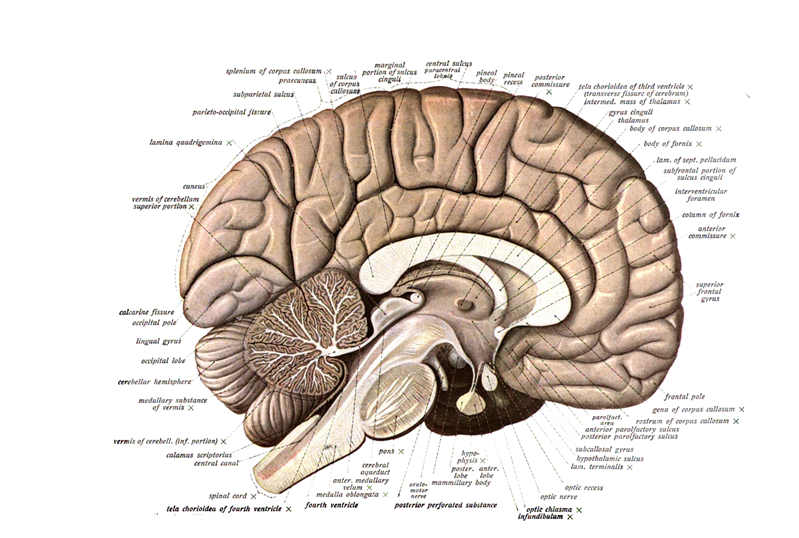
(Image Credit: Wikipedia)
For decades, Alzheimer’s disease was a paradox: one of the most feared conditions in the world, yet one of the least precisely diagnosable. Physicians relied on cognitive tests, behavioral observations and broad clinical impressions — often years after damage was well underway.
Then, in 2019, a new generation of biomarkers rewrote the landscape.
This was not a scientific evolution.
This was a scientific revolution.
The Bottleneck: A Disease Diagnosed Too Late
Before biomarkers, Alzheimer’s was only definitively diagnosed after death. Even during life, the disease often masqueraded as depression, mild cognitive impairment, or general age-related decline.
The absence of early detection impaired:
- Clinical trials (patients treated too late)
- Drug development (ambiguous endpoints)
- Public health planning (no risk stratification)
- Patient care (interventions began after irreversible loss)
A disease that begins 10–20 years before symptoms appeared had no practical method of early discovery — until now.
Blood-Based Biomarkers: A Turning Point in Accessibility
The major breakthrough was the ability to detect phosphorylated tau (p-tau181, p-tau217, p-tau231) and amyloid-beta 42/40 ratios in blood samples, offering diagnostic clarity with remarkable accuracy.
Their advantages:
- Cheap
- Scalable
- Non-invasive
- Globally deployable
These tests allow clinicians to risk-stratify patients years before symptoms emerge — the holy grail of Alzheimer’s research.
Neuroimaging Precision: PET, CSF and the Rise of Quantifiable Dementia
Biomarkers didn’t just improve detection — they transformed Alzheimer’s into a measurable biological condition. PET tracers for amyloid and tau made protein misfolding visible in living brains. CSF assays mirrored pathological changes with remarkable sensitivity.
Suddenly:
- Alzheimer’s was no longer a mystery.
- Clinical trials gained objective biological endpoints.
- Pharmaceutical companies could test disease-modifying therapies earlier.
- Health systems could anticipate and plan for aging populations.
Changing the Industry: Early Intervention Becomes Data-Driven
Biomarkers catalyzed strategic shifts:
- Insurance companies began exploring pre-symptomatic coverage tiers.
- Big pharma renewed investment in Alzheimer’s R&D.
- Clinics implemented cognitive risk assessments as part of routine aging care.
- Governments recalibrated national dementia strategies around early detection.
The Human Impact: Clarity Where There Was Once Confusion
Perhaps the most profound shift was emotional.
Families no longer wandered through diagnostic fog.
Patients gained a voice in planning their futures.
Early interventions — lifestyle, pharmacological, cognitive — now had a chance to work.
The Legacy
Alzheimer’s biomarkers transformed dementia from a belated diagnosis into a proactively managed condition.
They represent medical foresight at its best:
predictive, preventative, data-informed, and profoundly human in its impact.
You May also like