ARTIFICIAL PANCREAS SYSTEMS EXPLAINED: How Closed-Loop Insulin Automation, Glucose Algorithms and Medical AI Transformed Diabetes Care
By Lola Foresight
Publication Date: : 28 September 2016 — 07:25 GMT
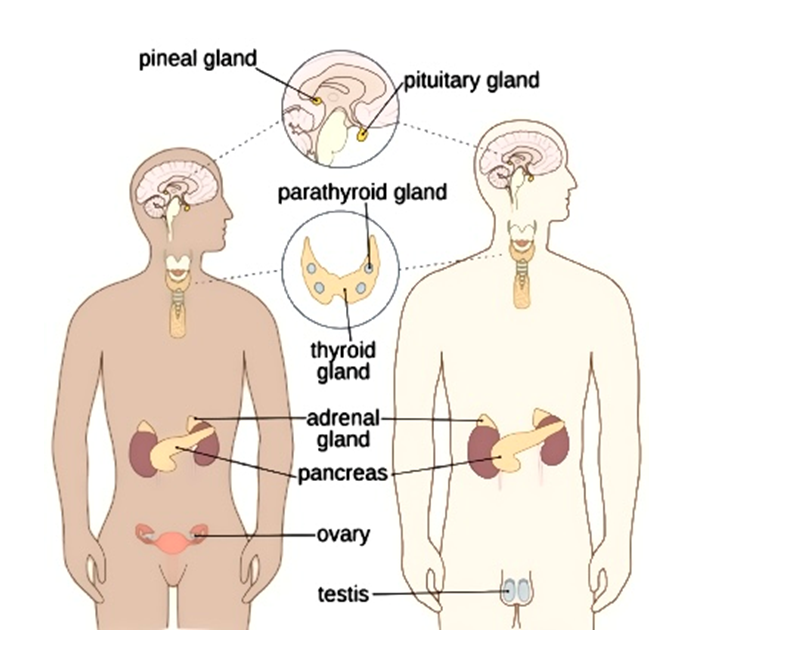
(Image Credit: Wikipedia)
The approval of the first artificial pancreas system in 2016 represented a long-awaited revolution for individuals with Type 1 diabetes. After nearly a century of manual insulin dosing, finger-prick testing, and constant vigilance, an automated, algorithmic system finally arrived.
How Closed-Loop Systems Work
Three components form a digital endocrine system:
Continuous Glucose Monitor (CGM)
Insulin Pump
Control Algorithm
The algorithm predicts glucose fluctuations, calculates optimal insulin delivery, and adjusts in real time — often faster and more accurately than any human could.
Clinical Benefits
Patients experience:
Fewer hypoglycemic episodes
Improved HbA1c
Better overnight control
Significantly reduced daily mental load
Enhanced lifestyle flexibility
Automation in Healthcare
The artificial pancreas exemplifies a broader trend:
Software regulating biological variables
Predictive algorithms informed by physiology
Constant adaptive feedback loops
Medical devices evolving into intelligent systems
Industry Strategy
Since 2016:
Device manufacturers shifted to AI-driven automation
The artificial pancreas is more than a medical device — it is the first truly cybernetic organ. It demonstrated that chronic diseases could be managed by intelligent automation, foreshadowing a future where software continuously optimizes human physiology.