CRISPR GENE EDITING ADVANCES: How Cas9 Precision, Genome Engineering and Genetic Targeting Became the New Power Tools of Biomedicine
By Lola Foresight
Publication Date: 15 October 2015 — 09:03 GMT
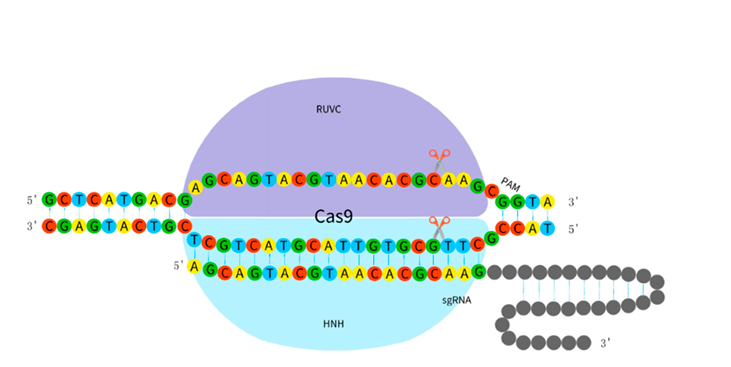
(Image Credit: Wikipedia)
In 2015, when CRISPR-Cas9 became widely recognized as a reliable gene-editing tool, the world of molecular biology experienced the equivalent of discovering the semiconductor. Everything changed.
For decades, gene editing was possible but inefficient. Zinc fingers and TALENs were accurate but costly, slow, and unwieldy. CRISPR, by contrast, functioned like a GPS-guided scalpel for DNA. With a short RNA sequence, scientists could direct Cas9 to any genomic location and perform precise edits.
The Real Breakthrough: Programmability and Accessibility
Before CRISPR, genome engineering required specialized labs. After CRISPR, high-schools could perform meaningful experiments.
Its advantages:
- Cheap (pennies per guide RNA)
- Fast (design in hours, execution in days)
- Flexible (deletions, insertions, corrections, silencing)
- Widely deployable (bacteria, plants, animals, humans)
CRISPR became the great democratizer of biology.
Clinical Impact: Engineering Health at Its Source
CRISPR is now used to pursue cures for:
- Sickle cell disease
- Beta-thalassemia
- Cancers
- Rare metabolic disorders
- Genetic blindness
- Immune deficiencies
Early trials have shown extraordinary promise — not symptom management, but correction of root causes.
Agriculture and Environmental Management
CRISPR moved beyond medicine:
- Drought-resistant crops
- High-yield, low-carbon rice
- Disease-resistant livestock
- Gene drives targeting malaria-carrying mosquitoes
- De-extinction research (mammoth gene projects)
CRISPR made nature editable.
Ethical Governance and Global Power Dynamics
The precise ability to alter human DNA sparked debates far beyond laboratories. Nations, industry groups, and scientific associations began proposing frameworks for:
- Germline editing restrictions
- Equity in gene therapy
- Ecological risk management
- Intellectual property battles
- Bio-security and dual-use concerns
The Legacy
CRISPR is not simply a technology — it is infrastructure.
It marks the moment humanity gained the capacity to shape biology intentionally, consistently, and strategically.
Just as computing moved from mainframes to personal devices, genome editing moved from rare to routine.
CRISPR is the engine of the genetic century.
You May also like